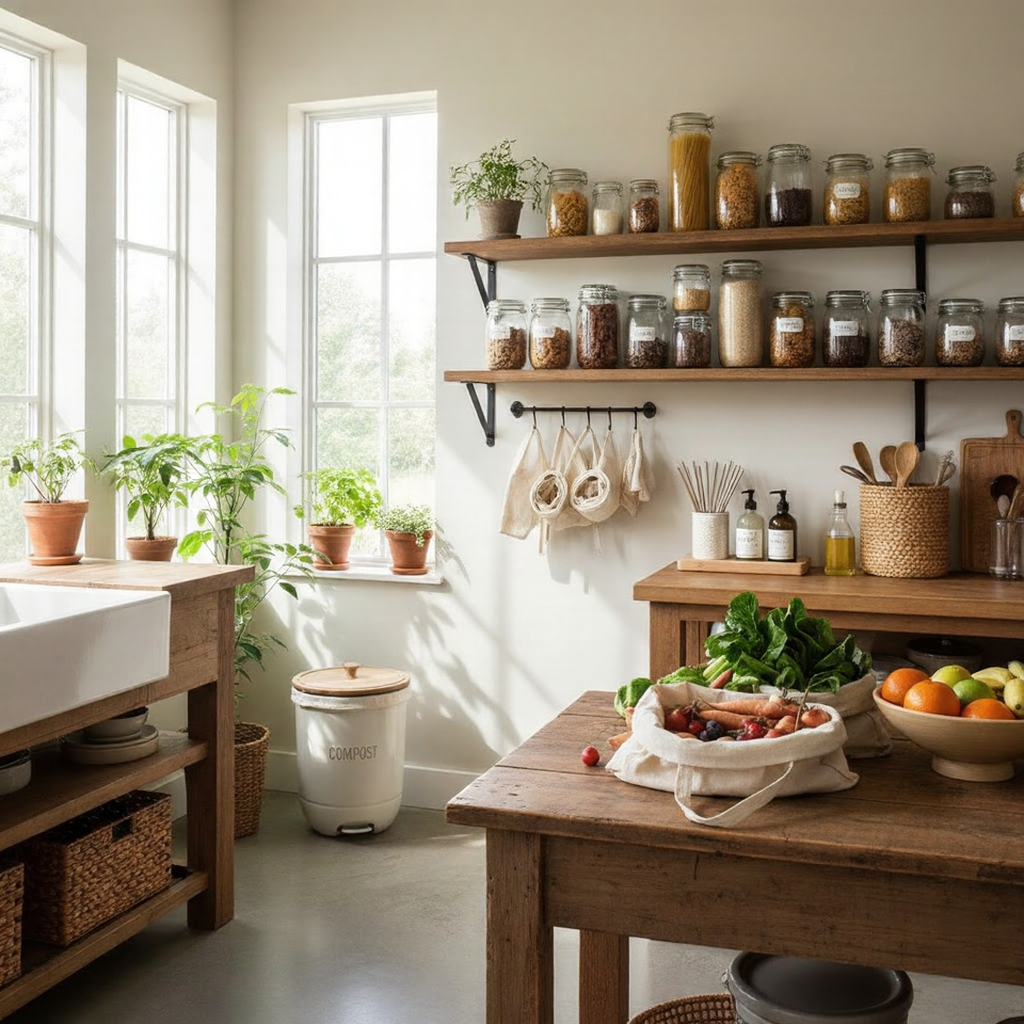
Zero Waste Lifestyle
Zero Waste Lifestyle: How to Reduce Waste and Live More Sustainably
The concept of a zero waste lifestyle has gained popularity as people around the world recognize the impact of waste on the environment. Landfills, plastic pollution, and single-use products contribute to climate change, wildlife harm, and resource depletion. While living completely waste-free may not be realistic for everyone, adopting a zero waste approach encourages small, consistent steps toward reducing what we throw away.
In this guide, we will explore practical strategies for embracing a zero waste lifestyle, including reducing single-use items, managing kitchen and shopping habits, choosing sustainable alternatives, and cultivating a zero waste mindset. By the end, you will understand how to make gradual changes that benefit both the planet and your daily life.
Start Small: Replacing Single-Use Items
One of the easiest ways to begin your zero waste journey is by swapping single-use items for reusable alternatives. Common items that generate significant waste include plastic bags, disposable cups, straws, and water bottles. By replacing these with reusable bags, stainless steel or glass bottles, metal or bamboo straws, and durable coffee cups, you can immediately reduce your waste output.
It’s important to remember that zero waste is a gradual process. Start by focusing on the items that have the most impact or are easiest to replace. For example, carrying a reusable water bottle daily can prevent hundreds of plastic bottles from ending up in landfills over a year.
Other small swaps include:
- Reusable produce bags for fruits and vegetables instead of plastic ones.
- Cloth napkins or handkerchiefs instead of disposable paper products.
- Rechargeable batteries rather than single-use batteries.
These small changes are easy to implement and create momentum for more significant lifestyle adjustments over time.
Zero Waste in the Kitchen and Shopping
The kitchen is one of the biggest sources of household waste. Food scraps, packaging, and single-use containers add up quickly. Adopting zero waste practices in the kitchen can reduce waste, save money, and improve efficiency.
Some practical strategies include:
- Buy in bulk: Purchasing grains, nuts, legumes, and spices in bulk reduces packaging waste. Bring your own containers to stores that allow bulk purchases.
- Plan meals: Creating a weekly meal plan helps avoid overbuying and reduces food waste. Use leftovers creatively to minimize scraps.
- Composting: Food scraps, coffee grounds, and vegetable peels can be composted to create nutrient-rich soil for gardens, rather than being sent to landfills.
- Reusable storage: Use glass jars, silicone bags, and stainless steel containers instead of single-use plastic wrap or zip-lock bags.
When shopping, pay attention to product packaging. Choose items with recyclable, compostable, or minimal packaging. Supporting stores and brands that prioritize sustainability helps drive broader change in the industry.
Plastic-Free Choices
Reducing plastic is a central focus of a zero waste lifestyle, as plastic is one of the most persistent materials in the environment. Avoiding unnecessary plastic and choosing durable alternatives can significantly reduce your ecological footprint.
Some strategies for reducing plastic include:
- Choosing bar soap, shampoo bars, and solid toothpaste over plastic bottles and tubes.
- Refillable containers for cleaning products, condiments, and personal care items.
- Materials like glass, stainless steel, bamboo, or aluminum, which are durable and often recyclable.
- Supporting brands that minimize or eliminate plastic packaging.
Even small reductions in plastic usage—like refusing a plastic straw or carrying a reusable shopping bag—have a cumulative effect when practiced consistently.
Mindset: Progress Over Perfection
One of the most important aspects of a zero waste lifestyle is mindset. It is not about achieving perfection overnight but about making steady progress toward reducing waste. Focusing on incremental changes helps maintain motivation and avoids frustration.
Some mindset tips include:
- Celebrate small wins: Every item you refuse, reuse, or recycle counts.
- Be patient: Zero waste is a lifelong journey, and habits take time to establish.
- Learn continuously: Discover new sustainable practices, DIY solutions, and community initiatives.
- Share knowledge: Inspire friends, family, and coworkers to adopt small sustainable habits.
Remember, zero waste is about reducing overall impact, not creating guilt or pressure. Progress, not perfection, is the goal. Even modest reductions in household waste contribute to environmental protection and often save money in the process.
Community and Policy Impact
While individual actions are important, broader changes in communities and policy make zero waste initiatives more effective. Participating in local zero waste groups, farmers’ markets, and sustainability programs helps create a culture of conscious consumption.
Policy-level actions also play a critical role. Support for recycling programs, bans on single-use plastics, incentives for refillable products, and regulations for sustainable packaging amplify the impact of personal efforts. By advocating for these changes, individuals help shape a society that makes zero waste lifestyles easier and more accessible for everyone.
Final Thoughts
A zero waste lifestyle is a journey toward mindful consumption and environmental responsibility. By starting small, making sustainable choices in the kitchen and shopping, reducing plastic use, and adopting a progress-focused mindset, everyone can contribute to a cleaner planet. Over time, these practices accumulate into significant reductions in waste, lower environmental impact, and often personal savings.
Zero waste is not about being perfect—it is about being intentional. Every reusable bag, bar soap, or composted food scrap makes a difference. With patience, consistency, and awareness, a zero waste lifestyle becomes not just a personal habit but a meaningful contribution to a healthier, more sustainable world.