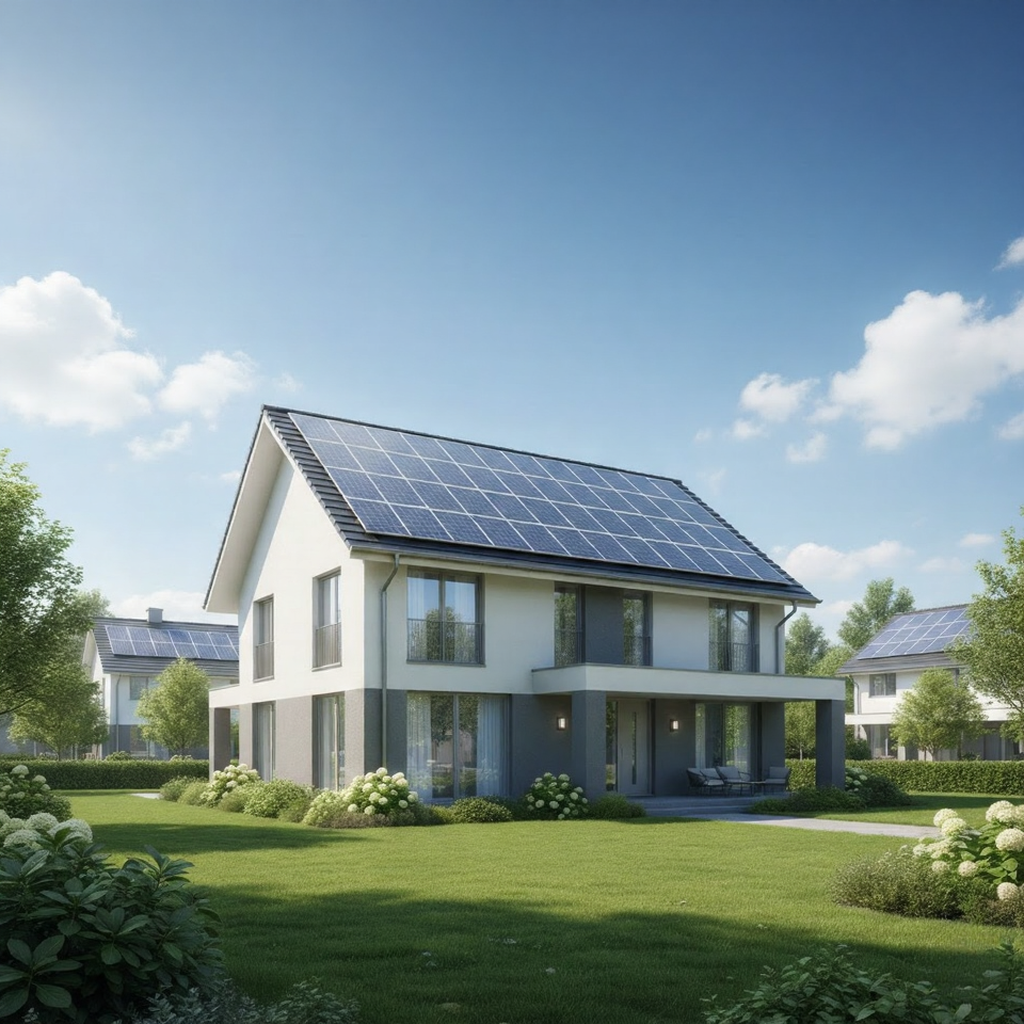
Solar Panels for Homes
Solar Panels for Homes in 2026: Costs, Savings, and Everything You Need to Know
Rooftop solar panels have moved from being a niche upgrade to a mainstream home improvement in many parts of the world. In 2026, falling equipment prices, better battery technology, and rising electricity costs are making solar power more attractive than ever. Homeowners are increasingly asking whether installing solar panels makes financial sense, how much they can really save, and what the process looks like from start to finish.
This guide explains how residential solar systems work, what they cost in 2026, how long they take to pay for themselves, and how you can get started with confidence.
How Do Solar Panels Work?
Solar panels are made up of photovoltaic (PV) cells that convert sunlight directly into electricity. When sunlight hits these cells, it knocks electrons loose and creates an electric current. That electricity can then be used immediately in your home, stored in a battery for later use, or exported to the electricity grid if your local utility allows net metering or feed-in tariffs.
A typical rooftop solar system includes:
- Solar panels mounted on your roof or property.
- An inverter that converts DC electricity into usable AC power.
- A mounting system and wiring.
- Optional battery storage.
- A monitoring system to track production in real time.
During the day, your panels often generate more electricity than your household is using. Without a battery, that excess power is sent to the grid, and you may receive credits on your bill. At night or during cloudy periods, you draw power from the grid or your battery, depending on how your system is configured.
What Do Solar Panels Cost in 2026?
The cost of home solar has steadily declined over the past decade thanks to manufacturing improvements and global adoption. In 2026, prices vary by region, system size, roof complexity, and whether you include battery storage.
Most homeowners pay for:
- Solar panels and inverter equipment.
- Installation labor.
- Permits and inspections.
- Grid connection fees.
- Batteries (if included).
While the upfront investment can feel significant, government incentives, rebates, and tax credits in many countries reduce the effective price considerably. Some utilities also offer low-interest financing or performance-based payments for clean energy generation.
Payback Period and Long-Term Savings
The payback period is the time it takes for your energy savings to equal the initial cost of the system. In 2026, many residential installations recover their cost in roughly six to twelve years, depending on local electricity prices, sunlight levels, incentives, and how much of the generated power you use yourself.
Since most solar panels are designed to last 25 to 30 years or more, that means you could enjoy well over a decade of very low-cost electricity after breaking even. Rising utility rates often make solar systems even more valuable over time.
Environmental Benefits of Home Solar
One of the biggest motivations for installing solar panels is reducing household emissions. Electricity generated from sunlight produces no direct greenhouse gases, unlike coal- or gas-fired power plants. By generating part or all of your own electricity, you shrink your home’s carbon footprint and reduce dependence on fossil fuels.
Over the lifetime of a typical rooftop system, the avoided emissions can equal many tons of carbon dioxide. Combined with energy-efficient appliances and smart usage habits, solar can play a major role in making homes cleaner and more sustainable.
Does Solar Increase Property Value?
In many housing markets, homes with solar panels are becoming more attractive to buyers. Lower utility bills, protection from future energy price hikes, and the appeal of clean power can all increase resale value. Some studies suggest that solar-equipped homes sell faster and at higher prices than comparable properties without systems.
The impact varies by location and system ownership. Fully owned systems generally add more value than leased ones, so it is important to understand how contracts and warranties would transfer to a future buyer.
Is Your Home Suitable for Solar?
Not every roof is ideal, but many homes are good candidates. The best roofs typically face south (in the Northern Hemisphere) or north (in the Southern Hemisphere) and receive plenty of direct sunlight throughout the day. Minimal shading from trees, nearby buildings, or chimneys is important for maximizing production.
Roof condition also matters. If your roof is nearing the end of its life, it may make sense to replace it before installing panels to avoid additional labor later. Installers can usually assess these factors during a site visit or using satellite imagery.
How to Get Started with Rooftop Solar
Going solar does not have to be complicated, but doing a little homework can help ensure a smooth experience.
1. Gather Multiple Quotes
Contact several certified installers and request detailed proposals. Compare system size, expected annual production, warranties, and total price rather than focusing only on the cheapest offer.
2. Check Local Rules and Grid Policies
Permits, building codes, and utility interconnection rules vary widely. Ask installers how long approvals typically take and whether net metering or export payments are available in your area.
3. Explore Financing and Incentives
Many homeowners use solar loans, green mortgages, or leasing options to reduce upfront costs. Look into national or regional tax credits, rebates, and renewable-energy programs that could significantly improve your return on investment.
4. Decide on Battery Storage
Batteries allow you to store daytime solar power for use at night or during outages, increasing self-consumption and resilience. They add to upfront costs, but in areas with frequent blackouts or low export rates, they can be very appealing.
Common Myths About Solar Panels
Myth: Solar does not work in cloudy climates.
Reality: Panels still produce electricity on cloudy days — just less than in full sun. Many cooler regions with moderate sunlight have successful solar markets.
Myth: Solar requires constant maintenance.
Reality: Most systems need very little upkeep beyond occasional cleaning and monitoring.
Myth: Panels are ugly or damage roofs.
Reality: Modern installations are sleek, and reputable installers design systems to protect roof integrity.
Final Thoughts
In 2026, rooftop solar remains one of the most practical ways for homeowners to lower electricity bills, reduce reliance on the grid, and cut household emissions. With falling costs, long equipment lifespans, and expanding incentive programs, the financial case is stronger than ever in many regions.
If you are considering solar, start by researching local installers, understanding your electricity usage, and exploring available incentives. A well-designed system tailored to your home can provide decades of clean, affordable power while supporting a more sustainable energy future.