Plastic Pollution Facts
Plastic Pollution Facts: Understanding the Crisis and How You Can Make a Difference
Plastic pollution is one of the most pressing environmental challenges of our time. From the oceans to our neighborhoods, plastic waste is accumulating at alarming rates, causing harm to wildlife, ecosystems, and even human health. Understanding the facts behind plastic pollution can empower you to make smarter choices and reduce your personal impact on the planet.
The Scale of the Problem
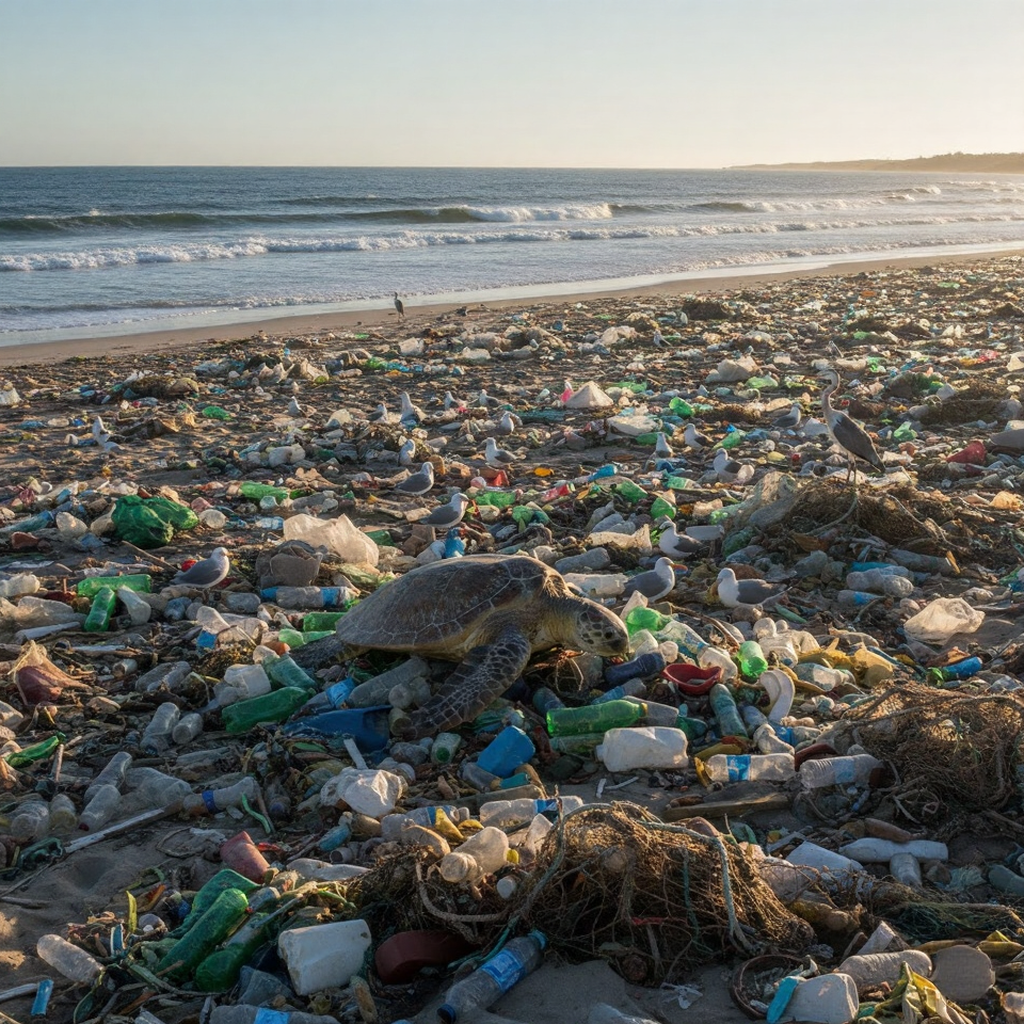
Every year, millions of tonnes of plastic enter the world’s oceans, rivers, and landscapes. Single-use plastics—such as bags, bottles, straws, and packaging—make up the majority of this waste. These materials can take hundreds of years to break down, persisting in the environment long after their intended use.
The consequences are severe. Marine animals often mistake plastic for food, leading to injury or death. Microplastics, tiny fragments created as larger plastics degrade, infiltrate the food chain, eventually reaching humans. Plastic pollution doesn’t just affect wildlife—it disrupts ecosystems, contaminates water, and contributes to climate change through production and disposal emissions.
Why Recycling Alone Isn’t Enough
Recycling is often seen as the solution to plastic pollution, but the reality is more complicated. Globally, only a small fraction of plastic waste is actually recycled. The majority ends up in landfills, is incinerated, or leaks into the natural environment.
Even when recycled, plastics often lose quality and cannot be turned back into the same product. This means that reducing plastic use and switching to reusable alternatives is far more effective than relying on recycling alone. Prevention, rather than post-use management, is the key to tackling this crisis.
Simple Actions That Make a Difference
While the scale of plastic pollution can feel overwhelming, individual actions do add up. Some practical steps include:
- Carrying reusable bags, water bottles, and coffee cups.
- Avoiding disposable straws, cutlery, and packaging whenever possible.
- Choosing products made from recycled or biodegradable materials.
- Supporting brands and businesses that prioritize sustainable packaging.
- Participating in local clean-ups or community recycling programs.
Each small habit reduces the flow of plastic into our environment. Over time, these choices can have a meaningful impact on oceans, wildlife, and human health.
Why It Matters
Plastic pollution is not just an environmental issue—it’s a social, economic, and health concern. By understanding the problem and adjusting our daily habits, we can slow the spread of plastic waste, protect natural habitats, and create a more sustainable future. Every piece of plastic you avoid is one less burden on the planet.
Final Thoughts
Plastic is convenient, but convenience comes at a cost. By choosing reusable products, reducing single-use plastics, and supporting environmentally responsible brands, we can all play a role in combating plastic pollution. Collective action, even in small daily choices, can make a lasting difference for our planet and future generations.