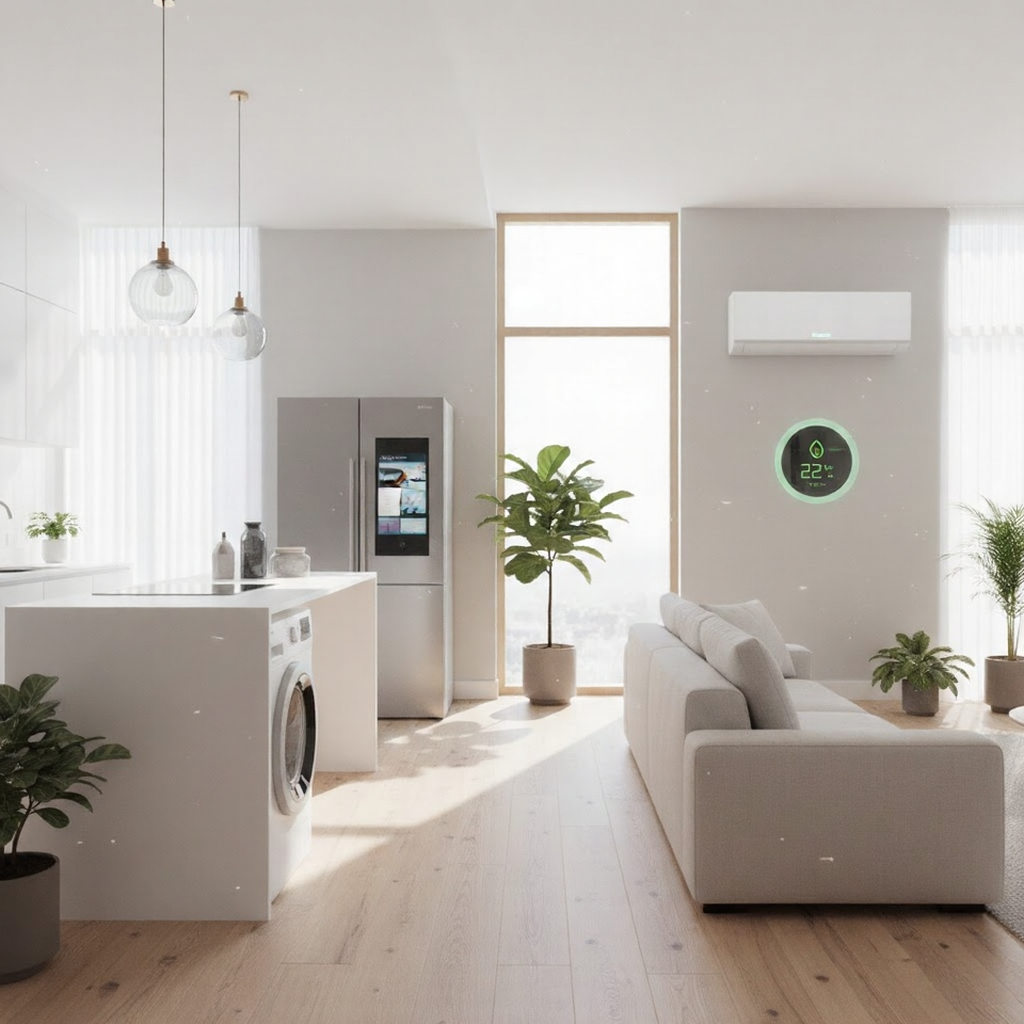
Energy Efficient Appliances
Energy Efficient Appliances: Save Money and Reduce Your Carbon Footprint
Upgrading to energy-efficient appliances is one of the smartest and easiest ways to save money on electricity bills while reducing your impact on the environment. Modern appliances are designed to use less energy without compromising performance, comfort, or convenience. From refrigerators to air conditioners, washing machines to water heaters, choosing energy-efficient models can make a noticeable difference in your home’s energy use.
In this guide, we will explore everything you need to know about energy-efficient appliances, including labels, key technologies, smart appliances, and tips for choosing the right products for your home. By the end, you will have a clear understanding of how to make your home more energy-efficient and environmentally friendly.
Why Energy-Efficient Appliances Matter
Electricity use is one of the biggest contributors to household energy consumption. Many traditional appliances consume more electricity than necessary, leading to higher utility bills and increased greenhouse gas emissions. Energy-efficient appliances are designed to minimize energy consumption while still performing the same tasks effectively.
By choosing energy-efficient appliances, you not only save money in the long term but also reduce your carbon footprint. Every kilowatt-hour (kWh) of electricity you save reduces the demand for fossil fuel-based power, helping to lower carbon emissions and combat climate change.
Investing in energy-efficient appliances is a win-win situation: better for your wallet and better for the planet.
Understanding Energy Labels and Ratings
One of the easiest ways to identify energy-efficient appliances is by checking energy labels. In many countries, the ENERGY STAR certification or equivalent labels indicate that a product meets strict energy efficiency standards. These labels are reliable indicators of performance and energy savings.
Appliances like air conditioners, refrigerators, washing machines, and water heaters often display energy labels showing star ratings or estimated annual energy consumption. The higher the star rating or the lower the energy consumption, the more efficient the appliance is.
It’s important to note that even within the same brand or model, energy use can vary. Always compare labels and consider the long-term energy savings rather than just the upfront cost. A slightly more expensive appliance with better energy efficiency will usually pay for itself over time through lower electricity bills.
Inverter Air Conditioners: Efficient Cooling for Every Home
Air conditioners are one of the largest consumers of electricity in many homes, especially during hot seasons. Traditional AC units switch the compressor on and off to maintain temperature, which consumes a lot of energy. Inverter air conditioners, on the other hand, adjust the compressor speed continuously to maintain the desired temperature, using only the energy needed.
This technology not only reduces electricity consumption but also provides more consistent cooling and improved comfort. Inverter ACs may have a higher upfront price compared to conventional units, but the lower monthly bills often make them a worthwhile investment within a few years.
Additionally, inverter ACs tend to last longer because their components undergo less stress due to the gradual changes in compressor speed, reducing wear and tear.
Choosing the Right Refrigerators and Freezers
Refrigerators and freezers are essential appliances, but they are also some of the most energy-intensive devices in the home. Choosing the right size, star rating, and model is key to maximizing energy efficiency.
A fridge that is too large for your household will use more energy than necessary. On the other hand, a fridge that is too small may be overloaded, reducing its efficiency. As a general rule, choose a size that fits your needs without excess space.
Star ratings on energy labels indicate the appliance’s efficiency. Higher star ratings generally mean lower electricity consumption. Also, keep your fridge and freezer full but not overcrowded, as a full fridge is more energy-efficient than a nearly empty one.
Other features to look for include inverter compressors, LED lighting, and smart temperature controls, which all contribute to energy savings.
Washing Machines and Dryers: Efficient Laundry Solutions
Washing machines and dryers are another major contributor to household energy use. Front-loading washing machines typically use less water and energy than top-loading models. Energy-efficient dryers or air-drying clothes when possible can further reduce electricity consumption.
Look for features like variable spin speeds, eco-wash cycles, and high-efficiency motors. These small features can lead to significant energy savings over time while keeping your clothes clean and well-maintained.
Water Heaters: Heat Smarter, Not Harder
Water heating is a significant energy expense in many households. Modern energy-efficient water heaters, including tankless or solar-assisted models, can dramatically reduce electricity or gas consumption.
Tankless water heaters heat water only when needed, eliminating standby energy losses. Solar water heaters use sunlight to pre-heat water, reducing reliance on electricity. Insulating your water tank and pipes also helps minimize heat loss and energy waste.
Smart Appliances and Home Energy Management
Smart appliances are designed to make energy management easier. Devices like smart thermostats, plugs, and washing machines allow you to schedule appliance use during off-peak hours when electricity is cheaper or greener. Some smart systems even monitor energy consumption in real time, helping you identify opportunities for further savings.
While smart appliances are not essential for every home, they can complement other energy-saving measures. Combining smart technology with efficient appliances ensures you are using electricity wisely and reducing unnecessary waste.
Tips for Maximizing Appliance Efficiency
Beyond choosing energy-efficient models, the way you use appliances also affects energy consumption. Here are some practical tips:
- Use appliances fully: Run washing machines, dishwashers, and fridges at full capacity to maximize efficiency.
- Maintain appliances: Clean filters, coils, and vents regularly to keep appliances running efficiently.
- Turn off standby power: Unplug devices or use smart plugs to avoid “phantom” electricity use.
- Optimize temperature settings: Set fridges to recommended temperatures and water heaters to moderate levels.
- Consider renewable energy: Using solar panels alongside efficient appliances can further reduce bills and emissions.
Investing Wisely Pays Off
While energy-efficient appliances may have a higher initial cost, the long-term savings often outweigh the upfront expense. Lower electricity bills, longer appliance lifespan, and environmental benefits all contribute to a smart investment. Over time, the money you save on energy costs can even fund future home improvements or additional green upgrades.
By combining informed appliance choices with smart usage habits, you can create a home that is comfortable, cost-effective, and environmentally responsible. Every small action, from using an energy-efficient fridge to turning off unused lights, contributes to a larger positive impact.
Final Thoughts
Energy-efficient appliances are more than just a trend—they are a practical solution for modern living. They reduce energy consumption, lower bills, and help combat climate change. Whether you are replacing old units or planning a new home setup, prioritizing energy efficiency pays off in multiple ways.
From inverter air conditioners to smart fridges, washing machines to water heaters, every appliance you choose wisely can make a difference. By understanding labels, leveraging technology, and adopting smart habits, you can enjoy a comfortable, modern home while protecting the planet. Investing in energy efficiency is a decision that benefits your wallet, your family, and future generations.