Carbon Offset Programs
Carbon Offset Programs: How They Work and Why They Matter
Carbon offsets are becoming an increasingly popular tool for individuals and businesses seeking to reduce their environmental impact. By funding projects that capture or reduce greenhouse gas emissions, you can effectively balance out your own carbon footprint. Understanding how offsets work, their quality, and how to use them responsibly is essential for making a real difference.
How Carbon Offsets Work
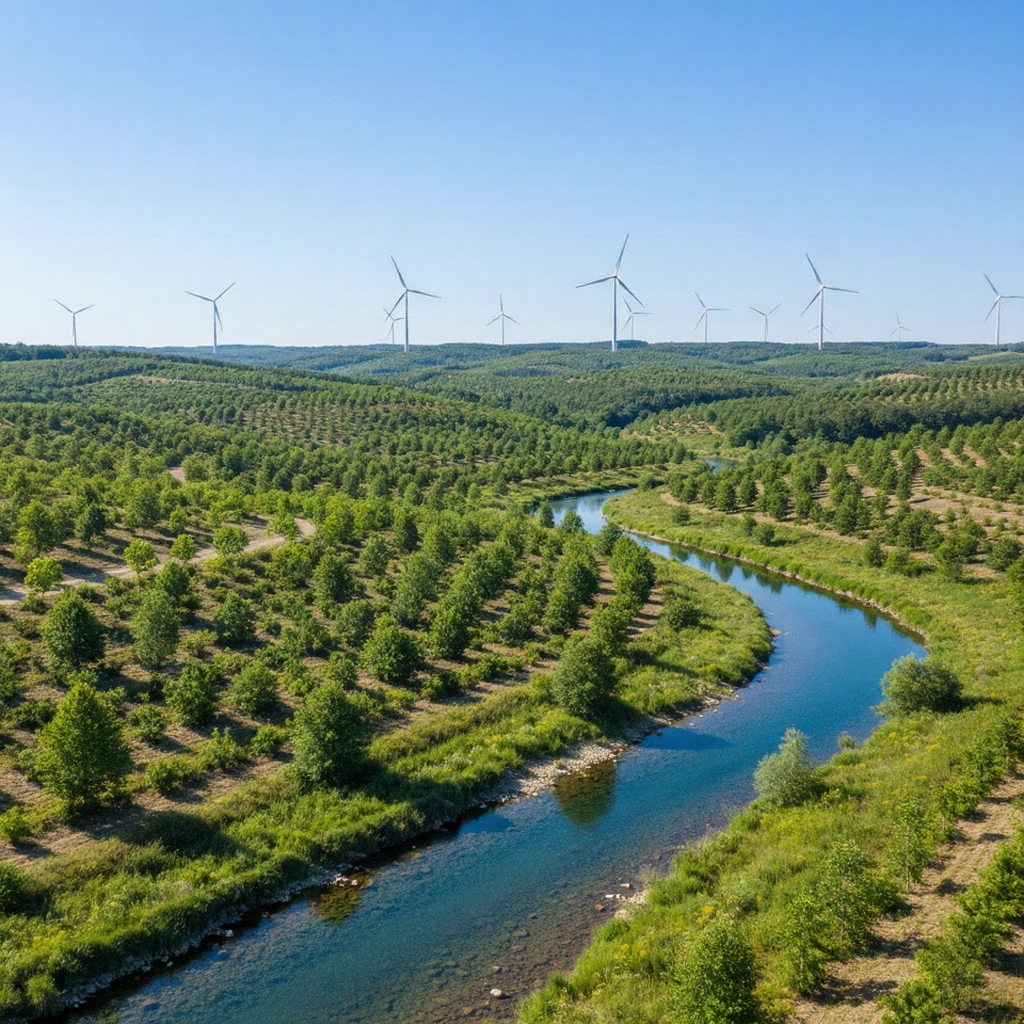
At their core, carbon offsets are financial contributions to projects that actively remove or prevent greenhouse gas emissions. These projects can take many forms, including reforestation, renewable energy initiatives, and methane capture at landfills or farms. Each verified carbon offset typically represents one tonne of CO2 either removed from the atmosphere or avoided entirely.
For example, by purchasing a carbon offset, you might be funding the planting of trees that absorb CO2 over their lifetime, or supporting wind or solar energy installations that replace fossil fuel electricity. This mechanism allows you to compensate for emissions you cannot eliminate from your own lifestyle or operations.
Quality Matters
Not all carbon offsets are created equal. The environmental impact of an offset depends on its verification, methodology, and long-term effectiveness. When selecting offsets, look for recognized standards such as Gold Standard, Verra (VCS), or the Climate Action Reserve. These certifications ensure that the projects are independently verified and deliver measurable, permanent emission reductions.
Be cautious of vague or unverified claims. Some offsets may overstate their benefits or fail to account for long-term risks. Transparency, third-party audits, and clear reporting are key indicators of a credible carbon offset program.
Use Offsets Alongside Emission Reduction
It’s important to remember that carbon offsets are a complement, not a replacement, for reducing your own emissions. The most effective climate strategy is to first minimize your energy consumption, switch to renewable sources where possible, and implement sustainable practices. Offsets should then be used to address the emissions you cannot yet eliminate.
This approach ensures that offsets contribute to meaningful climate action rather than serving as a way to “buy your way out” of emissions without changing behavior.
Net Zero and Climate Neutral Goals
Many companies and individuals incorporate carbon offsets into broader sustainability goals such as achieving net zero or becoming climate neutral. Offsets can help balance residual emissions that remain after all feasible reductions have been made.
For offsets to be effective in these contexts, transparency and rigorous third-party verification are essential. High-quality programs provide detailed reporting on how emissions are reduced, the number of credits issued, and the long-term impact of the project.
Final Thoughts
Carbon offsets offer a practical tool to support the transition to a low-carbon future, but they work best when used responsibly and alongside direct emission reductions. By choosing verified programs, understanding their methodology, and combining them with sustainable practices, you can make a tangible impact on climate change and contribute to a healthier planet for generations to come.